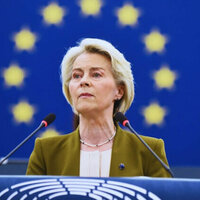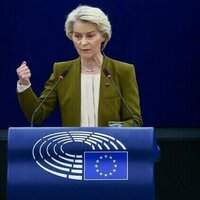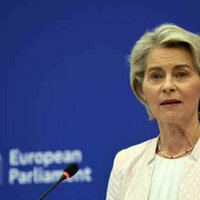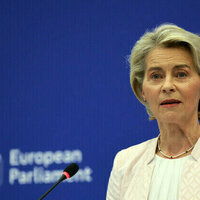


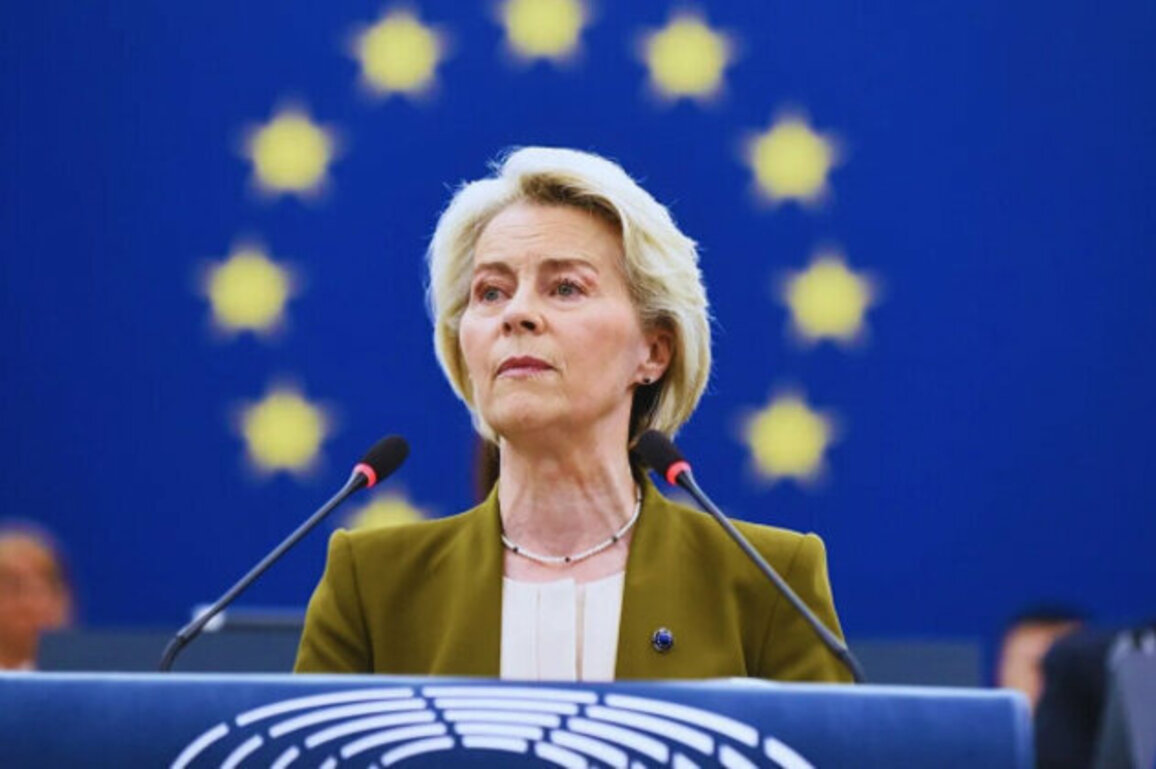
European Commission President Ursula von der Leyen delivered a contentious and polarising State of the Union address on Wednesday, laying out an ambitious defense-centric vision for Europe while offering cautious measures against Israel. Speaking before a visibly divided European Parliament in Strasbourg, she framed her agenda around a continent ?in a fight,? emphasising military preparedness, energy autonomy, and economic competitiveness. The speech, which marks the start of her second term, was punctuated by frequent interruptions and heckling from MEPs across the political spectrum, reflecting the deep divisions within the chamber.
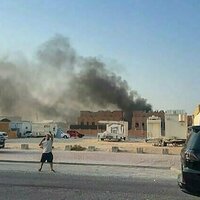
A significant demonstration by MEPs from the Socialists, Greens, and The Left underscored these divisions. Dressed in red to commemorate Gaza victims, they remained standing for the duration of the speech, signalling their protest against what they perceive as EU complicity in the humanitarian crisis. Von der Leyen's address repeatedly referenced this ongoing conflict, highlighting the human cost and the urgent need for decisive EU action.
Central to her vision was the bolstering of Europe's defense capabilities. Von der Leyen announced the creation of a ?European defense Semester? and a ?clear roadmap? to ensure readiness by 2030. She pledged investment in a ?drone wall? along the eastern flank and real-time space surveillance to monitor military movements. Furthermore, the Commission will establish a ?Qualitative Military Edge? programme for Ukraine and a ?Drone Alliance? with Kyiv, financed through a proposed ?Reparations Loan? sourced from frozen Russian assets.
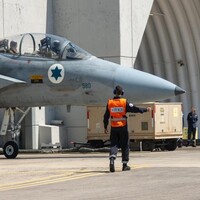
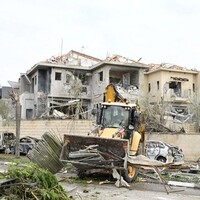
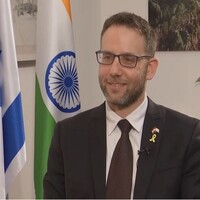
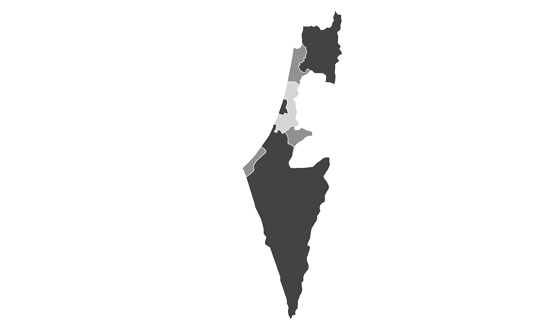
Her long-awaited response to the situation in Israel elicited particularly strong reactions. Under public and political pressure over Gaza, von der Leyen unveiled a two-pronged approach. The EU will pause bilateral payments to Israel while continuing funding for Holocaust memorials and civil society organisations. In addition, she proposed sanctions on ?extremist ministers and violent settlers? and suggested partially suspending trade aspects of the EU-Israel Association Agreement. Critics note that these measures target low-level actors and require unanimous member state approval, raising questions about their practical effectiveness. The announcement drew both applause and jeers, reflecting the divided stance of European lawmakers.
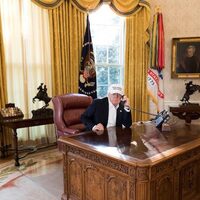
Von der Leyen also defended the EU-US trade deal negotiated under President Donald Trump. Addressing criticism over the agreement that caps EU export tariffs at 15%, she insisted it represents the ?best possible deal? while asserting Europe's regulatory sovereignty. She reaffirmed that the EU will maintain its environmental and digital standards, signalling a firm stance against external pressures, particularly from Washington.
On domestic economic issues, von der Leyen outlined initiatives aimed at easing citizens? living costs and fostering homegrown industries. She proposed a ?Single Market Roadmap to 2028? to reduce bureaucracy, a ?Small Affordable Cars initiative? to promote a European electric vehicle industry, a ?European Affordable Housing Plan,? and a ?Buy European Food? campaign. Despite these economic measures, her overarching message emphasized a self-reliant and fortified Europe, prepared for future geopolitical challenges.
Five key takeaways emerged from the address: support for Europe's eastern flank against Russian aggression, a tougher stance on Israel amid the Gaza crisis, the proposal to use frozen Russian assets to fund Ukraine, firm defense of EU tech rules against Trump's threats, and domestic economic concessions with a socially-minded emphasis.
The proposed measures against Israel, while symbolically significant, face practical hurdles. A qualified majority is required to suspend trade aspects of the Association Agreement, and influential EU countries such as Italy and Germany, along with Israel's allies like Hungary, Czechia, Austria, and Poland, may resist. Von der Leyen's announcement nevertheless signalled a shift in EU strategy, offering hope to center-left factions that the bloc may pursue a firmer stance on the humanitarian situation in Gaza.
Source: