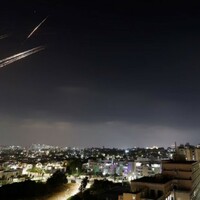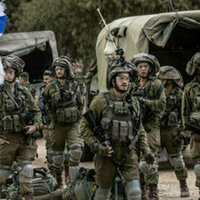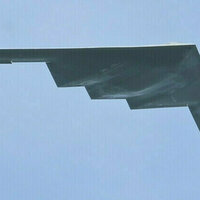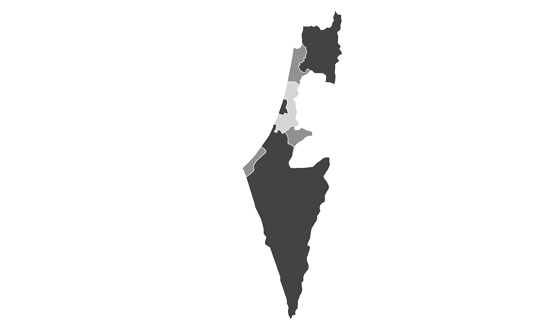


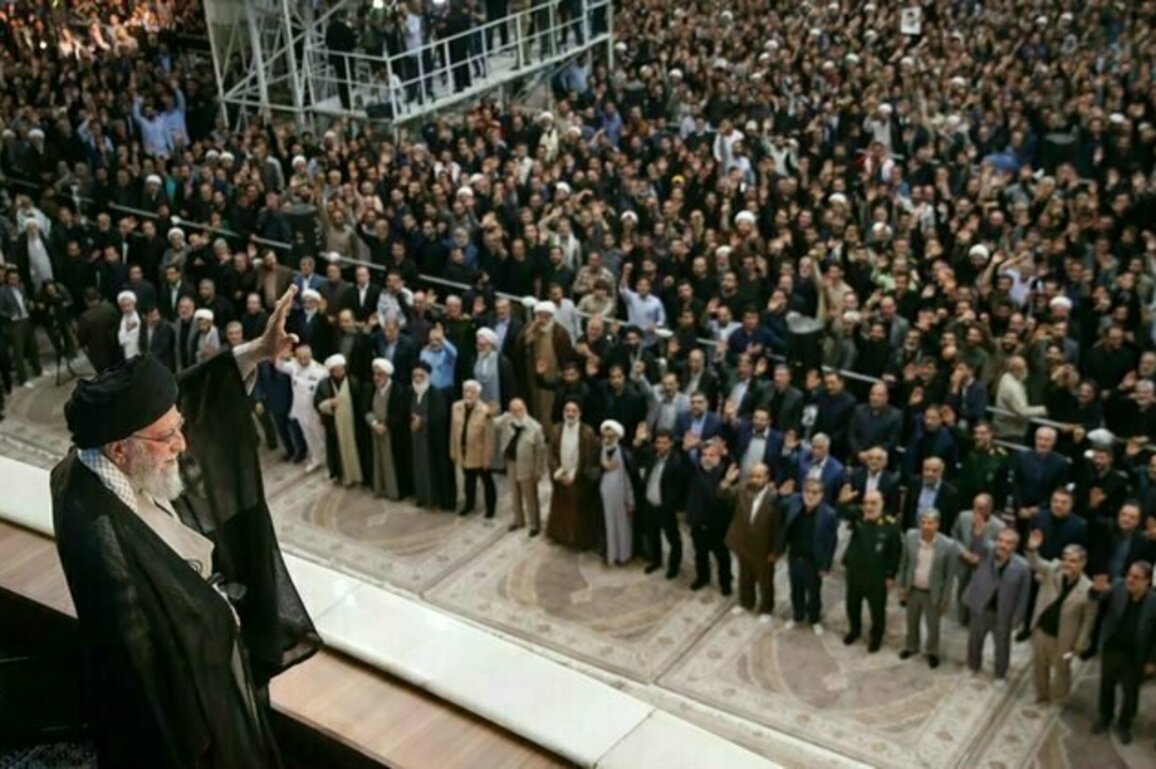
The question of whether Israels objective in its escalating conflict with Iran extends beyond targeting Tehrans nuclear and missile infrastructure to pursuing regime change has become a central topic of debate among analysts and observers.
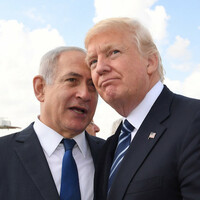
While Israeli leaders have not explicitly declared regime change as their goal,rhetoricfrom Prime Minister Benjamin Netanyahu and senior officials -- combined with the scale and intensity of recent operations -- suggests that the toppling of the Islamic republic may be an implicit or aspirational aim.
Critics warn that such a strategy carries enormous risks: regional escalation, unintended political consequences, and the potential empowerment of even more hardline elements within Irans leadership. They argue that attempting to forcibly reengineer Irans political order is a high-stakes gamble with no guaranteed payoff.
Supporters of a more aggressive stance, however, contend that the Islamic republic is weaker than ever. They point to persistent public dissent and growing international isolation, insisting that these conditions represent a rare opportunity to facilitate the collapse of the regime. In their view, sustained external pressure could be the decisive factor in bringing about long-desired change.
Protests, Pressure, And Possibilities
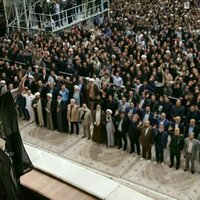
Whether military intervention alone can achieve regime change in Iran remains highly contested -- both in policy circles and among Iranians themselves. In recent years, the country has experienced repeated waves of nationwide protest, most notably the 2022 uprising following the death of Mahsa Amini in police custody.
That movement, which coalesced around the slogan Women, Life, Freedom, spread rapidly across dozens of provinces and drew support from diverse segments of society. It was met with a severe crackdown: over 550 protesters were reportedly killed and more than 20,000 arrested, according to human rights groups.
SEE ALSO:
Trump's Policy Goal In Iran Is 'Meaningful Concessions,' Says US Security Expert Ilan Berman
The protests exposed deep public dissatisfaction and revealed the vulnerability of the regime. But they also underscored the resilience -- and willingness to use unrestrained force -- of Irans security apparatus, highlighting the challenges facing any effort to dislodge the Islamic republic from within.
Some analysts argue that external military pressure could create space for the Iranian opposition. But even among proponents of regime change, there is broad recognition that air strikes alone are insufficient.